If you’re riding to work, training for your next long-distance bike trip, or just taking your bike out for some scenic weekend cruising, it’s important to be able to carry your essentials in comfort.
A quality cycle bag is an indispensable cycling accessory in such situations. While standard backpacks are great for all sorts of trips, cycling bags provide a unique advantage-they evenly distribute your weight, improve your bike’s balance, and keep all of your items well-organized, without negatively affecting your riding posture.
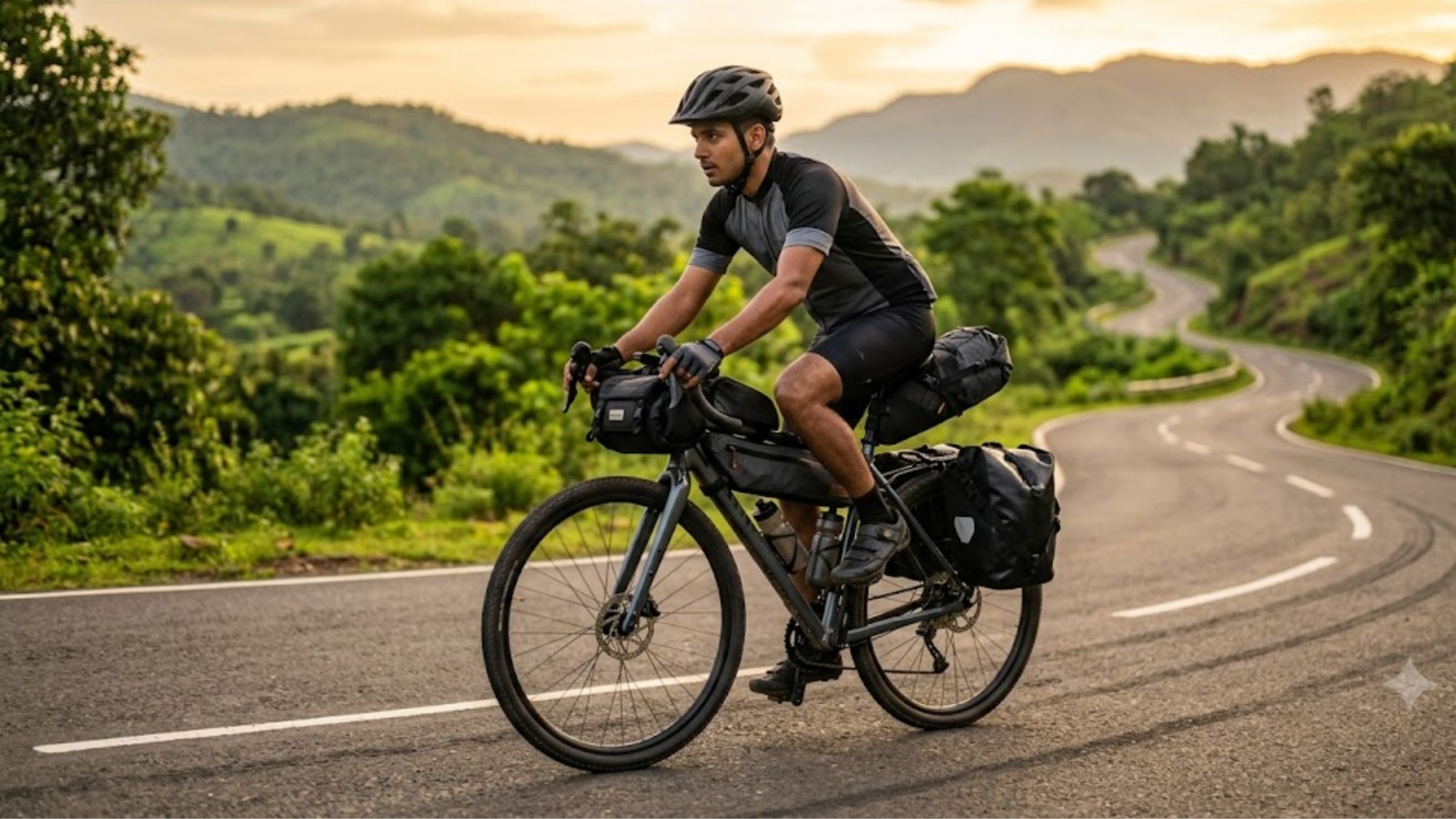
Thankfully, there are now several varieties of cycle bag to choose from, including pannier bags, frame bags, saddle bags, handlebar bags, and seat bags.
Which one is ideal for you, however, really boils down to how you use your bike and what you’re typically transporting.
In this guide, we will compare the five main types of cycle bag, describe their respective benefits, and provide you with recommendations to help you choose the right cycle bag for your everyday cycling routine or adventurous long rides.
Read on to discover our collection of TrekNRide cycle bags specifically crafted for contemporary cyclists.
The Five Main Types of Cycle Bag
Whether it is a day ride to work or a months-long touring expedition, every cyclist can find the right style of cycle bag to suit their needs and bicycle setup.
Different styles are made for different needs, whether you want something light for long days, robust for touring, or accessible for easy reach.
The five most popular and practical cycle bag are:
- Pannier Bags
- Frame Bags
- Saddle Bags
- Handlebar Bags
- Seat Bags
For now, let’s take a closer look at each:
Pannier Bags – Best for Heavy Loads and Long Tours
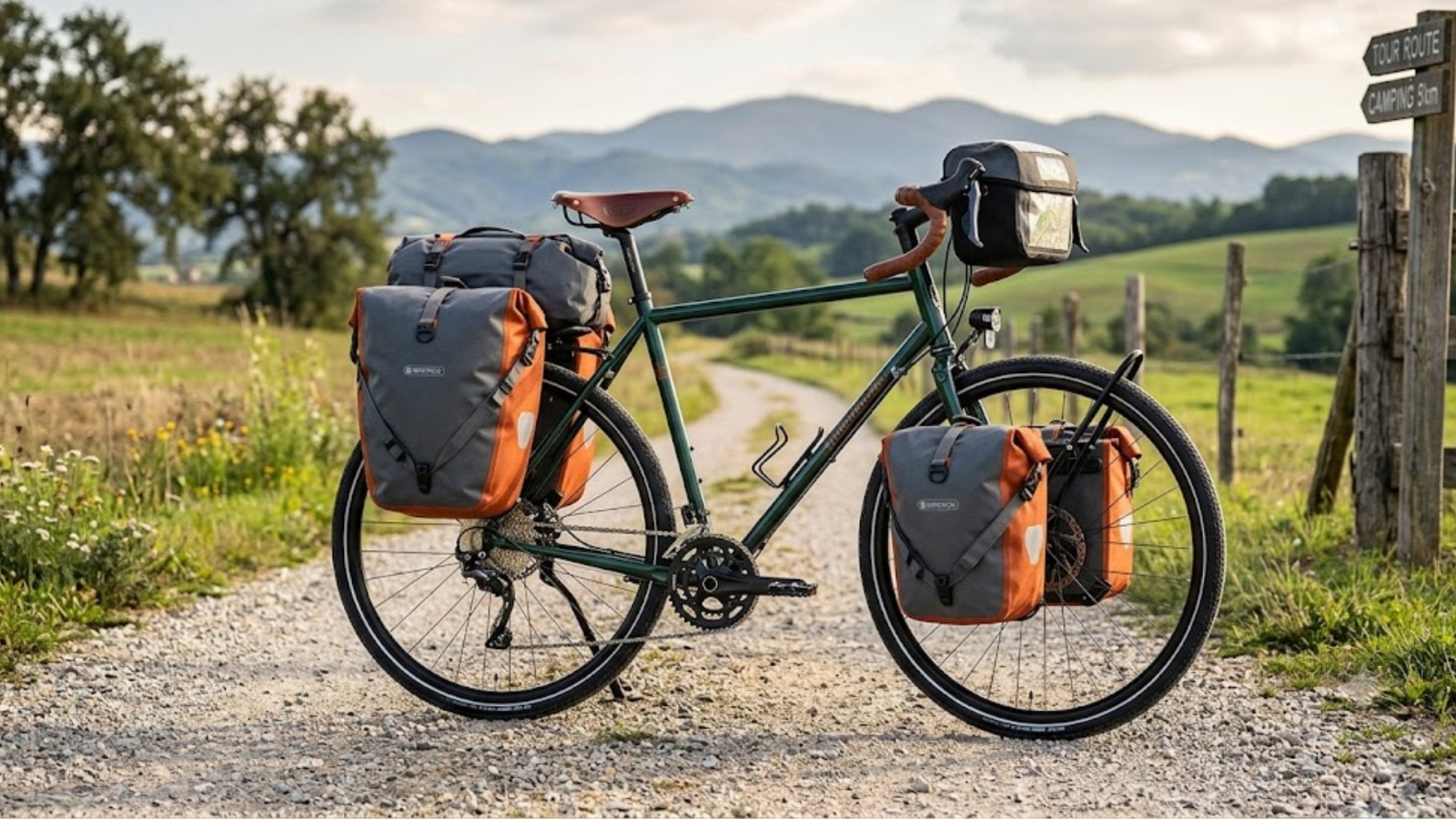
A pannier is a larger storage cycle bag that can be fitted on each side of a rear bicycle rack.
It carries load on your bike rather than on your shoulders, which can be particularly comfortable during long rides.
Why Cyclists Choose Pannier Bags
- Excellent Weight Distribution – Heavy objects remain on the bike, so your body won’t strain as easily.
- Large Carrying Capacity – Pannier bags can store nearly anything from your laptop and camera gear to groceries and multi-day trip camping essentials.
- Ideal for Touring – For long-distance tours, many cyclists depend on a pannier setup, as they can accommodate significant storage space needed for a trip.
- More Comfort – Reduced back load leads to:
- Improved airflow
- less shoulder fatigue
- better posture
- Increased comfort on longer trips
Ideal for:
- commuting to work
- for long distances
- long-distance cycling
- multi-day adventures
- biking for touring
- bike packing
- groceries cycling
Frame Bags – Best for Lightweight Efficiency
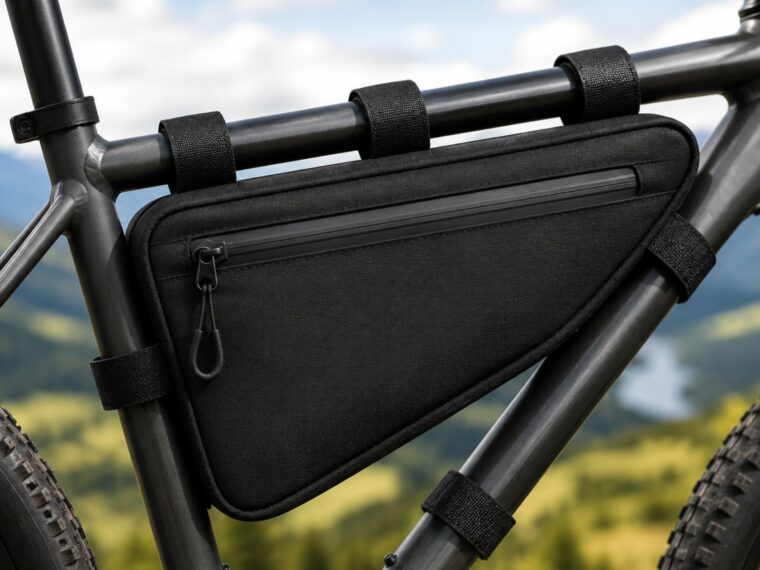
A frame bag is typically positioned inside the triangle of a bicycle’s frame.
Given that weight is in the centre of the bike, it minimally affects the bike’s balance and handling.
Why Choose Frame Bags
- Excellent Balance – Because most of the weight is placed closer to the center of the bicycle, the bike remains balanced on all terrains and surfaces and helps improve performance.
- Lightweight, Low Profile, Aerodynamic – Frame bags offer very little wind resistance due to their slim design and are, therefore, very popular with endurance athletes.
Convenient – Small and compact in size, frame bags hold essentials such as:
- Multi-tool
- mini pump
- Spare tube
- Phone
- Wallet
- Energy bar
The best for:
- road cycling
- gravel cycling
- long-distance cycling
- biking
- endurance biking
- gravel
- bike packing
Saddle Bags – Small but Extremely Useful
A cycle saddle bag is fitted under a bike’s saddle.
Though small in design, it holds the emergency repair kit for sudden breakdowns.
What can fit in the saddle bag?
Repair essentials include:
- Small repair kit
- tyre levers
- CO inflater
- mini multi-tool
Spare tubes for your bike ,Repair kit Spare tube, a tiny bag can come to the rescue and provide relief from sudden flat tires, you should make sure you always bring it along.
Why Every Cyclist Needs One:
- Accidents happen at any time, especially when out for a ride. You can prepare yourself for unforeseen circumstances such as bike breakdowns with these indispensable cycling bags.
The best for:
- daily commuting
- fitness cycling
- mountain biking
- As its compact design is highly useful for any bike, you might consider a cycle saddle bag to be one of the best cycling accessories to have.
Handlebar Bags – Perfect for Quick Access

Handlebar bags are mounted directly on the bike handlebars.
They have one significant advantage: ease of access.
You don’t have to stop and dig through your backpack.
Common uses of handlebar bags:
- Mobile phone
- GPS
- camera
- wallet
- snacks
- glasses
- maps
Why Touring Cyclists Love Them
- With quick access and high visibility of everything inside the handlebar bags, cyclists often find navigation a breeze, especially during their long touring trips.
The best for:
- adventure biking
- bicycle touring
- commuting
- Photography rides
Seat Bags
Seat post bags, commonly referred to as saddle bags (because they attach to the saddle area), offer a similar mounting point but with significantly more space than traditional cycle saddle bags.
They are great for a larger setup and the most dedicated bike packers and tourers can fit a significant number of supplies into them.
Advantages
- Large storage space – more space compared to a standard cycle saddle bag
- Lightweight design – designed to be lightweight and aerodynamic
- Not needing a rack – the seat post bags are designed for bikes that lack rack mounts
Best for:
- bike packing
- touring
- gravel cycling
- multi-day cycling
- adventure biking
The Ideal Cycle Bag for You
Depending on the terrain you’ll be traveling over and the kind of journeys you plan to undertake, there are different bags that best suit different cycling disciplines.
The list below summarises, a bicycle’s best suited cycle bag based on a typical cycling journey type:
| Cycling Journey | Best Cycle Bag |
| Road cycling | Saddle bag |
| Long-distance touring | Pannier + Handlebar bag |
| Mountain biking | Frame bag |
| Grocery shopping | Pannier bag |
| Daily office commute | Pannier bag |
| Fitness cycling | Saddle bag |
| Bikepacking | Frame bag + Seat bag |
Why Cyclists Choose Bike-Mounted Bags
There’s a multitude of reasons why cyclists prefer bike-mounted bags over using traditional backpacks.
From improved weight distribution to better balance, here are some of the most compelling reasons why cyclists embrace bike bags:
Reduced Shoulder Fatigue
A common pain point for backpack users, a significant reduction in shoulder strain is possible thanks to weight distribution on the bike.
Better Balance and Stability
Cycling requires body control and a steady center of gravity, so by mounting a bag onto your bike rather than your body, it enhances stability, balance, and agility – especially when traversing rough terrain.
Improved Airflow
This may seem like a minor point, but being able to feel the air against your back and shoulders on a hot day can make a big difference in how you feel after a ride.
Greater Carrying Capacity
With bike-mounted bags, the potential to carry a much higher volume and weight of items is opened up, making it easier to go on multi-day trips or run errands that require larger items.
Easier Organization and Access
Bike bags offer dedicated compartments for various items, making them easier to find than rummaging through a backpack.
Waterproof Cycle Bag Materials: Spray-Coated Vs. Laminated
Your cycle bag has one and only purpose, and it’s that it should protect what’s inside of it from the inevitable spray, mud, and generally messy environment that you get outdoors!
A waterproof cycle bag will make the difference between day and night during a cycle bag tour across the continent or during monsoon season but not all so-called waterproof cycling bags are built alike.
The difference between a spray-coated and a laminated waterproof cycle bag is:
Spray-Coated Water Resistance
A spray-coated cycling bag material will have a waterproof spray-coated material on it to create an element of resistance and protection which will make water bead off the fabric.
Benefits of:
- light in weight
- easy to maintain
- great resistance from light rain
- flexible and soft
- much cheaper than other alternatives
Use for:
- Daily commutes
- Light day rides
- When riding through occasional rain
Though the spray-coated bags will serve you well in light rain and showers it will, over a longer period of time eventually start to let heavy rain pass.
Laminated Waterproof Material
A laminated waterproof cycle bag will include an extra layer of waterproof material glued on top of the original fabric, which guarantees the waterproof functionality of the bag.
Benefits of:
- Excellent waterproof resistance
- Better resistance and durability
- Impervious to rain
- More long-lasting
When to use for:
- Bike packing and Tours
- Rain on your day to day travel
- Adventure cycling
When to ride with a laminated waterproof cycling bag if you ride with a weather condition, which is more often unpredictable then a waterproof laminated cycling bag is your solution.
How to Install pannier on any cycle rack
A lot of cyclists assume fitting a pannier bag on their bike will be a hassle, but the truth is that most of our pannier bags consist of a quick-release hook or clip which is easily adjustable, which ensures your pannier bag will work on most bicycle racks available.
Step 1: Secure that rack
You need to be riding with a stable rear cycle rack/pannier bag rack to which your bag can be secured, as such ensure it is securely mounted.
Step 2: Load up
Your bike bag or pannier is designed to go around the top bar of your rack – most of the pannier bags have automatic click locks which make this extremely easy.
Step 3: Strap It Down
Your bag will probably have a hook or a lower strap designed to keep the bottom part of the bag close to your wheel.
Ensure the lower clip/strap is secured around your bike rack or the bag itself.
Step 4: Double Check and Give It A Test
before you ride off give your new, properly packed pannier bag a wobble – does it look secure? Or are you concerned the bag may catch on your spokes or frame?
If your pannier is secure, it’s good to go!
TrekNRide Cycle Bag, Storage Solutions for Cyclists
Whether it’s urban commuting or an off-road adventure, TrekNRide carries an innovative line of cycling bags for all your adventures.
TrekNRide Pannier Bags
For whenever a backpack is not the best solution, TrekNRide Pannier Bags offer abundant capacity to keep your essentials safe and organized.
Ideal for:
- commuting
- grocery shopping
- day-to-day commuting
- road tours
- long bicycle touring
Why choose them:
- Generous storage capacities
- Extremely sturdy construction
- Firmly attach to any rear rack
- Redistributes weight evenly
- Provides water protection (waterproof or water-resistant)
Carry anything from daily essentials and shopping items to bike touring equipment with these spacious Pannier bags and leave your bulky backpack at home.
TrekNRide Saddle Bags
Sleek and incredibly convenient, TrekNRide Saddle Bags provide a minimal space for those indispensable bits and bobs you’ll need when out on your bike.
Carry your:
- repair kits
- spare tubes
- patch kits
- co2 pumps
- tire levers
- multi-tools
Attach them below your saddle and they’ll keep your tools safely in place whilst you’re on the road.
TrekNRide Frame Bags
Designed for the more streamlined cycling trip, TrekNRide Frame Bags will keep your essential small items safely in your bike’s central space so you can grab things like your wallet, phone, power bank or some snacks easily from your central mount, without compromising on your balance.
Which TrekNRide cycle bag is best for you?
| Purpose | Recommended Bag |
| For casual trips | Daily commute: Pannier bag, or Frame + Saddle bag |
| Bike-packing | Frame + Seat bag |
| Day rides | Saddle bag |
| Shopping trips | Pannier bag |
| Weekend ride | Saddle bag |
| Touring long-distance | Pannier bag + Handlebar bag |
Maintaining your cycle bag
For longer-lasting storage solutions from TrekNRide, just follow this easy advice.
- Clean mud from bags with a damp cloth and ensure you dry it properly before storing it.
- Store bags away from sunlight.
- Never overpack bags.
- Double check the integrity of your bike’s rear rack.
- Ensure bags are left to air out after use in rain.
Frequent Questions and Answers
1.Is a cycle bag for my daily commutes going to be useful?
Absolutely – you can place your day-to-day gear like laptops and work items inside a cycle bag, or your daily shopping – what a great alternative to carrying a back bag all the time!
2.Do I need to have a cycle saddle bag?
You must – carrying tools is essential for an emergency and you really don’t want your spare tubes, tire levers, and multi-tools to cause you any harm on the go.
3.Is there anything a pannier bag is useful for?
A pannier bag is excellent for holding all your essentials, like groceries for a week or gear for the odd camping weekend and can hold all your necessary bicycle tour belongings with plenty of room for manoeuvre.
4.Waterproof cycle bag: Worth it?
Yes, you absolutely need a Waterproof or water-resistant cycle bag if you intend on travelling a lot in the wet or in monsoon seasons!
5.Can you put any bike panniers on a bicycle?
As long as your bike has been correctly fitted with a secure rear cycle rack that can handle your loads then pannier bags should be fine for use on most bikes.
When it comes to choosing your next bag whether you choose a pannier or frame bag, the most important things to consider are whether it fits your load-carrying requirements, is water-resistant/waterproof and securely attached to your bicycle.
We at TrekNRide have a diverse collection of bags to cater to every rider’s requirements, whether you’re after something to keep you dry in the elements or you’re looking to go off-road with us on a cycling adventure.
What is the ultimate bag choice for your journey?
- Frame bags – a great all-rounder keeping your weight in the centre of the bike.
- Saddle bags – essential for carrying your repair and maintenance equipment.
- Panier bags – essential for a trip where weight capacity is the key.
- Handlebars – handy on long trips and provide easy access.
- Seat bags – can serve as an alternative to pannier bags where the rack is not the ideal choice.
Quick Buying Checklist
- Have I chosen the right size bag for my requirements?
- Is the bag waterproof/water-resistant?
- Will the bag remain securely in place?
- Does it feel lightweight?
- Are the materials of the highest quality?
- Is it easy to mount onto the bike?
- Does it look secure?